

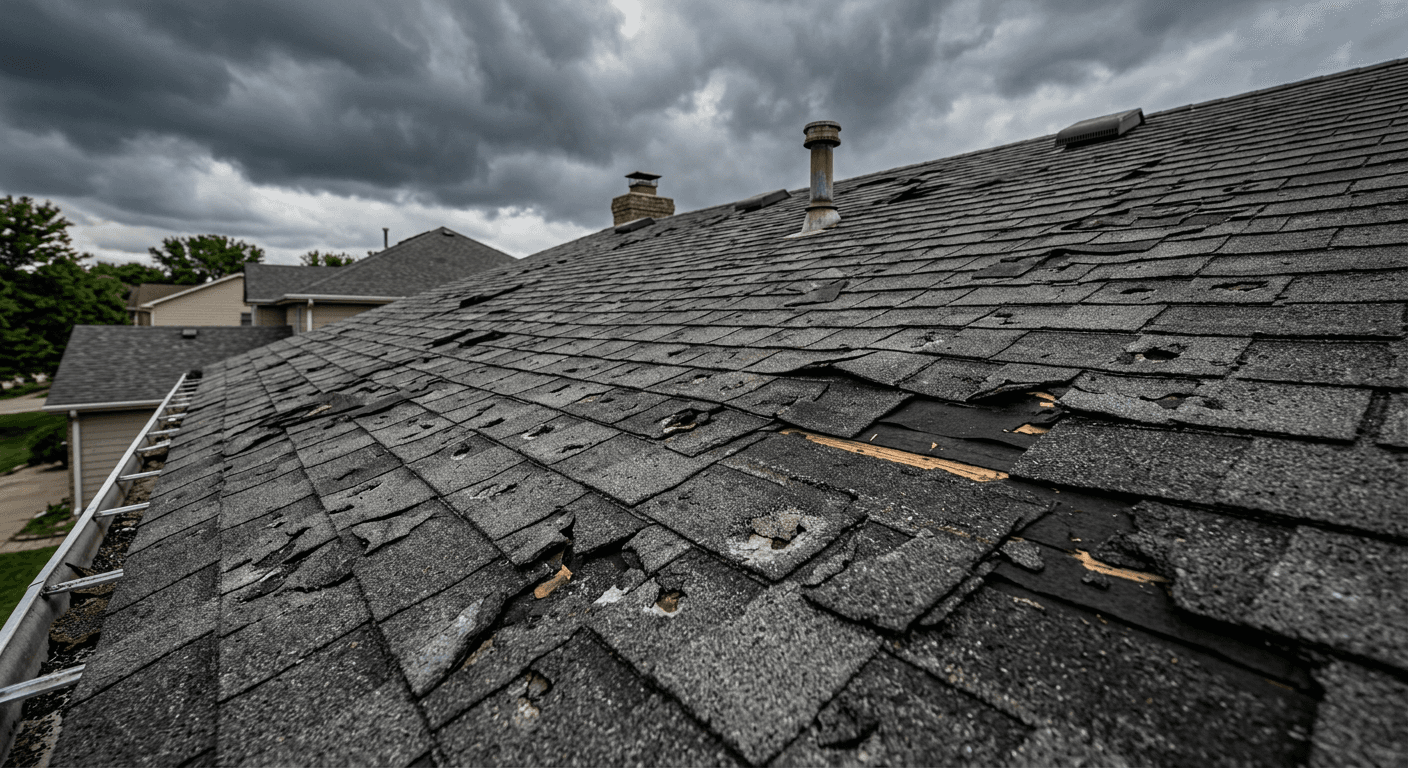
Why Illinois Homeowners Miss Thousands in Roof Damage Claims
The most common reason homeowners don't receive full insurance coverage after a storm isn't fraud — it's documentation. Insurance companies pay what's documented. When damage isn't thoroughly photographed, measured, and reported by someone who knows what to look for, claims get underpaid.
Step 1: Document the Storm Before You Call Your Insurer
- Save weather data — NOAA archives every hail event by date, location, and size
- Photograph roof surface, gutters, downspouts, A/C units, siding, and vehicles
- Note the exact date — Illinois policies typically allow claims within 1–2 years of a storm event
Step 2: Get a Professional Inspection First
A contractor inspection before the adjuster visit establishes an independent damage assessment. At Culture Construction, free post-storm inspections include photo documentation, written scope, and NOAA storm data correlation.
Step 3: File Your Claim
Call your insurer's claims line with your policy number, date of loss, and damage description. An adjuster will be scheduled within 1–2 weeks.
Free Roof Inspection — No Obligation
Culture Construction is GAF Master Elite certified and headquartered in Elmhurst, IL. Same-week inspections across DuPage, Cook, and Will County.
Step 4: The Adjuster Visit
The adjuster works for your insurer — not you. Items commonly missed:
- Soft-metal damage (gutters, vents, flashing, pipe boots)
- Secondary structure damage (garage, shed, fence)
- Ridge cap and hip shingle damage
- Ventilation component damage
Our recommendation: Have a contractor present during the adjuster visit. Culture Construction attends adjuster meetings for every Illinois client we work with.
Step 5: Review the Estimate and Supplement if Needed
If the insurance estimate is incomplete, your contractor can file a supplement — a formal request to add missed items or update pricing. Culture Construction files supplements on a significant percentage of Illinois claims.
Illinois-Specific Rules
- Contractors cannot legally waive your deductible — any offer to "cover your deductible" violates Illinois law
- Two-year claim window — most policies allow claims within two years of a documented event
- Know your policy type — ACV (actual cash value) depreciates your payout; RCV (replacement cost value) pays the full replacement amount